
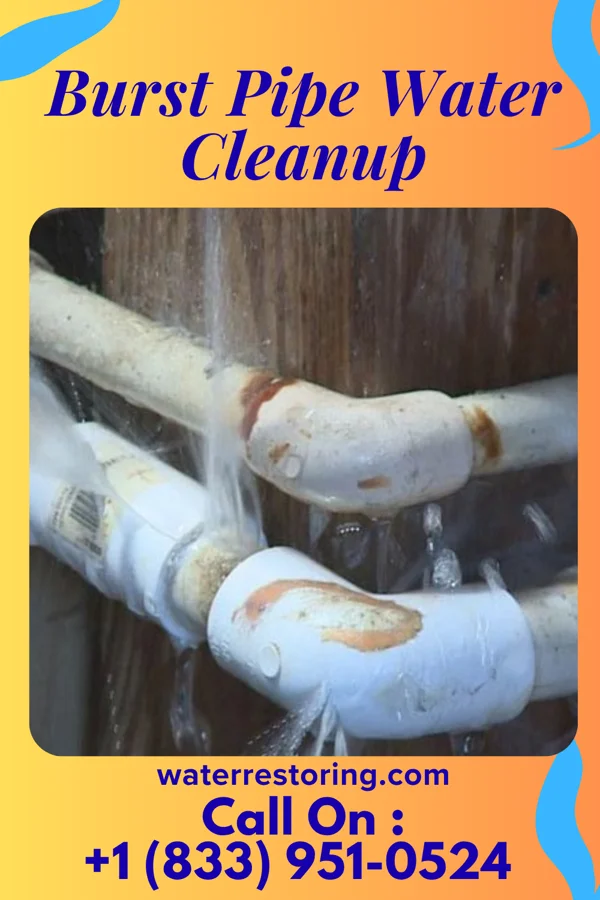
Burst Pipe Damage in Dayton
Property owners across Dayton call certified water damage restoration when Dayton, Indiana, is located in a region with older infrastructure, which increases the risk of pipe bursts due to aging plumbing systems. The city's rural setting and proximity to agricultural areas mean that some properties may have outdated water lines that are more prone to failure, especially during periods of high water pressure or temperature fluctuations.. A close second is The surrounding areas like Mulberry and Stockwell have seen increased development, which can strain existing water systems. Additionally, the seasonal changes in Tippecanoe County, including freezing temperatures in winter, can cause pipes to expand and contract, leading to cracks and bursts in older or poorly insulated lines..
The climate in Dayton, Indiana, is characterized by cold winters and warm summers, which can lead to pipe bursts due to freezing and thawing cycles. The area's rural and suburban layout means that many homes and businesses rely on older water systems that are more vulnerable to these seasonal changes.
The climate in Dayton, Indiana, is characterized by cold winters and warm summers, which can lead to pipe bursts due to freezing and thawing cycles. The area's rural and suburban layout means that many homes and businesses rely on older water systems that are more vulnerable to these seasonal changes. The dominant local driver is Dayton, Indiana, is located in a region with older infrastructure, which increases the risk of pipe bursts due to aging plumbing systems. The city's rural setting and proximity to agricultural areas mean that some properties may have outdated water lines that are more prone to failure, especially during periods of high water pressure or temperature fluctuations., with The surrounding areas like Mulberry and Stockwell have seen increased development, which can strain existing water systems. Additionally, the seasonal changes in Tippecanoe County, including freezing temperatures in winter, can cause pipes to expand and contract, leading to cracks and bursts in older or poorly insulated lines. showing up as the next most common cause. Damage builds in stages. Spread. Absorption. Microbial growth. Structural compromise. Every stage you pass through adds to the final bill.
For public guidance on the health effects of mold after prolonged water exposure, see the EPA mold and health page.